What MTBF Measures in Software Reliability Engineering
Knowing what MTBF leaves out matters more than the number itself.
Deshawn Calloway
Staff Writer
Deshawn covers the emerging intersection of machine learning tooling and software operations, with a particular focus on autonomous remediation systems and the trust questions they raise for on-call engineers. Before writing full time, he worked as a platform engineer and later a developer advocate, giving him fluency in both the tooling and the teams adopting it.
11 stories
Knowing what MTBF leaves out matters more than the number itself.
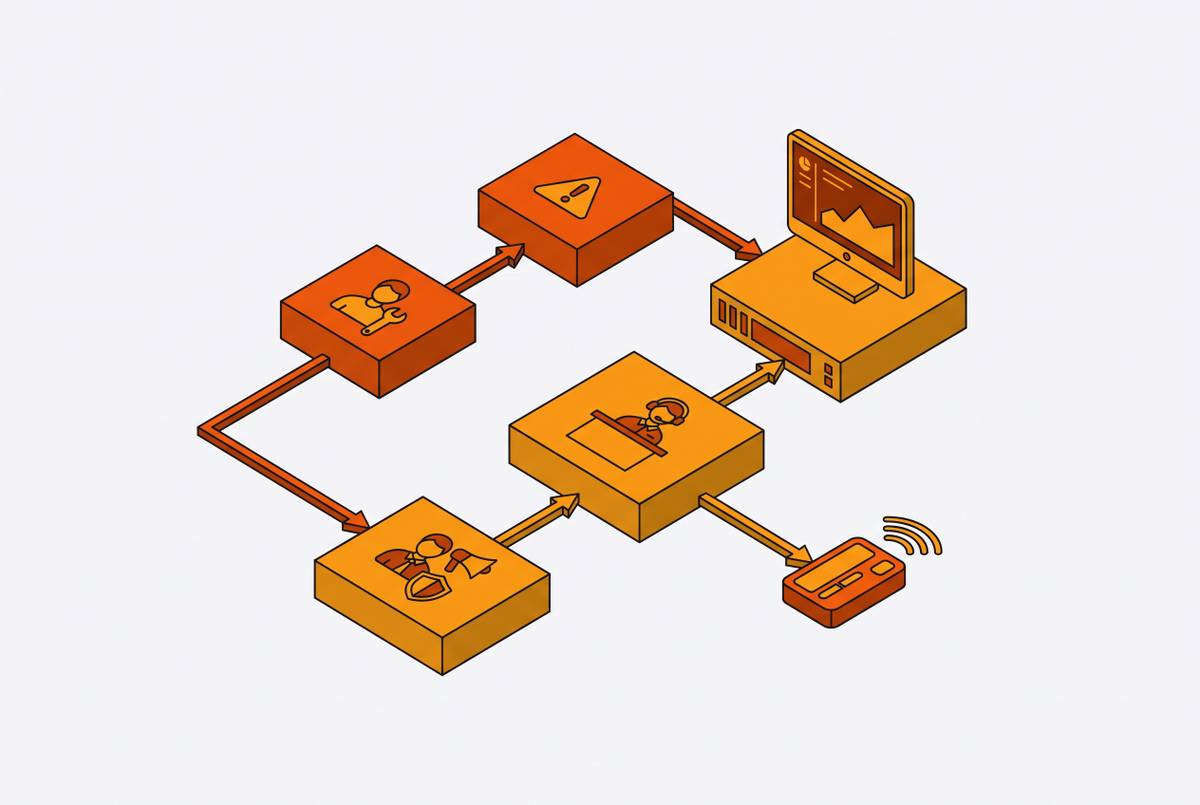
Clear roles before the alert fires prevent chaos when production breaks at 2 AM.
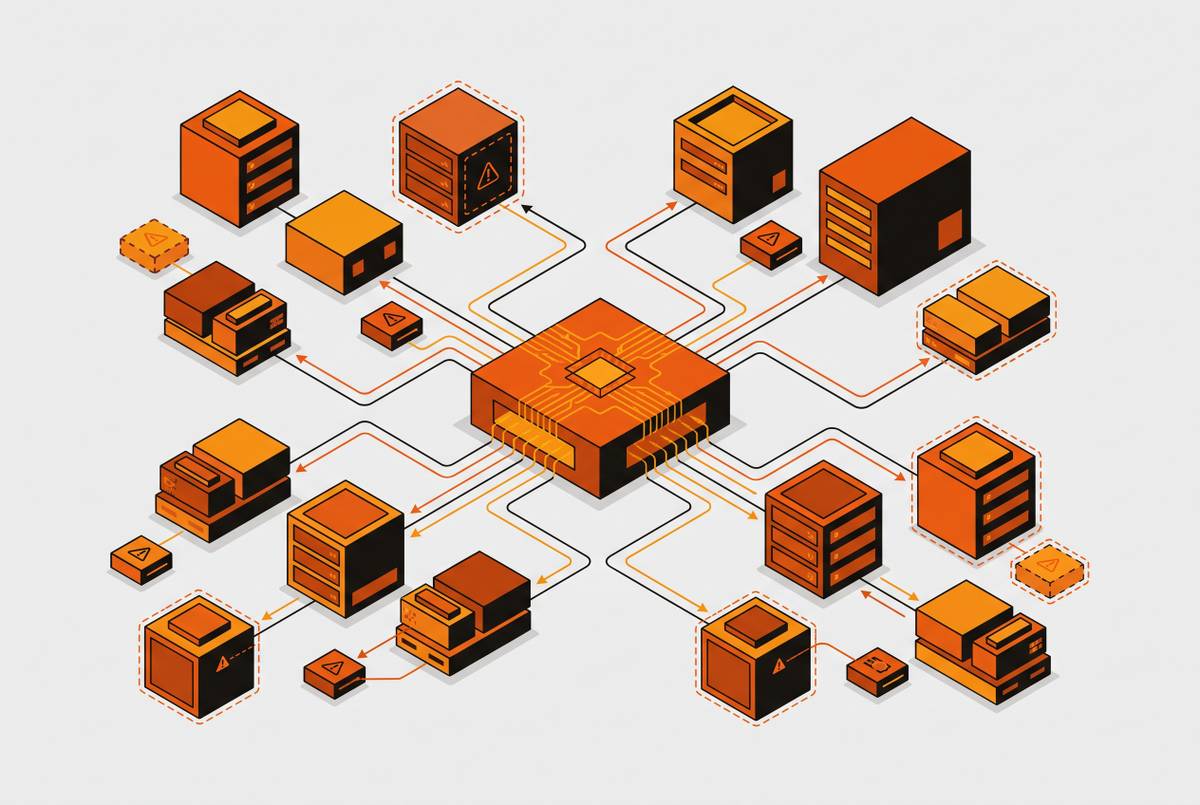
Automated systems now pinpoint the actual failing service instead of chasing downstream symptoms.
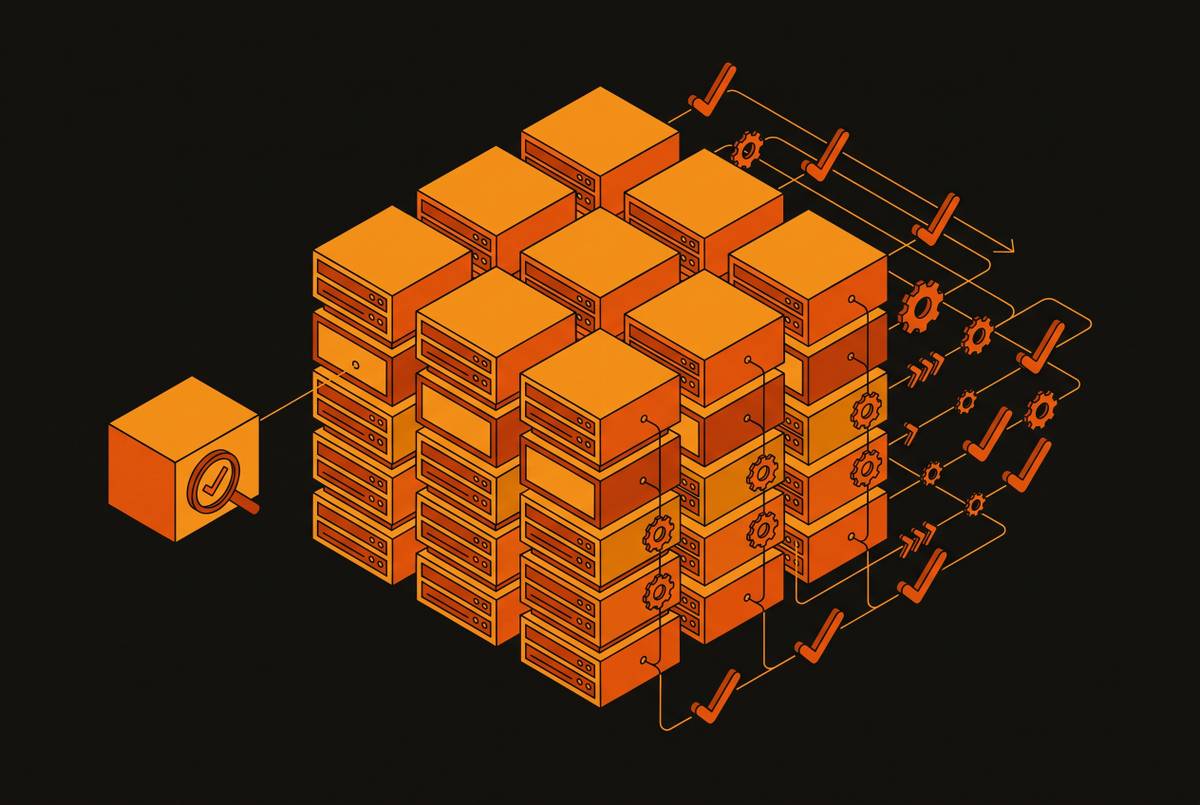
Catch regressions automatically in production before they harm users and drain engineering time.
Unit tests catch logic errors; regression tests catch integration failures that unit tests miss.
Confusing functional and regression testing is why pipelines pass while production breaks.
Catch regressions introduced by new deployments before they become production incidents.
Runbooks execute single procedures; playbooks orchestrate decisions across teams during incidents.
A runbook is the difference between improvisation under pressure and a procedure proven to work.
Most backend teams field thousands of alerts weekly, but only a fraction demand immediate action.
Adaptive models beat fixed thresholds at catching deployment regressions early.