What an Incident Response Drill Actually Tests (and What It Doesn't)
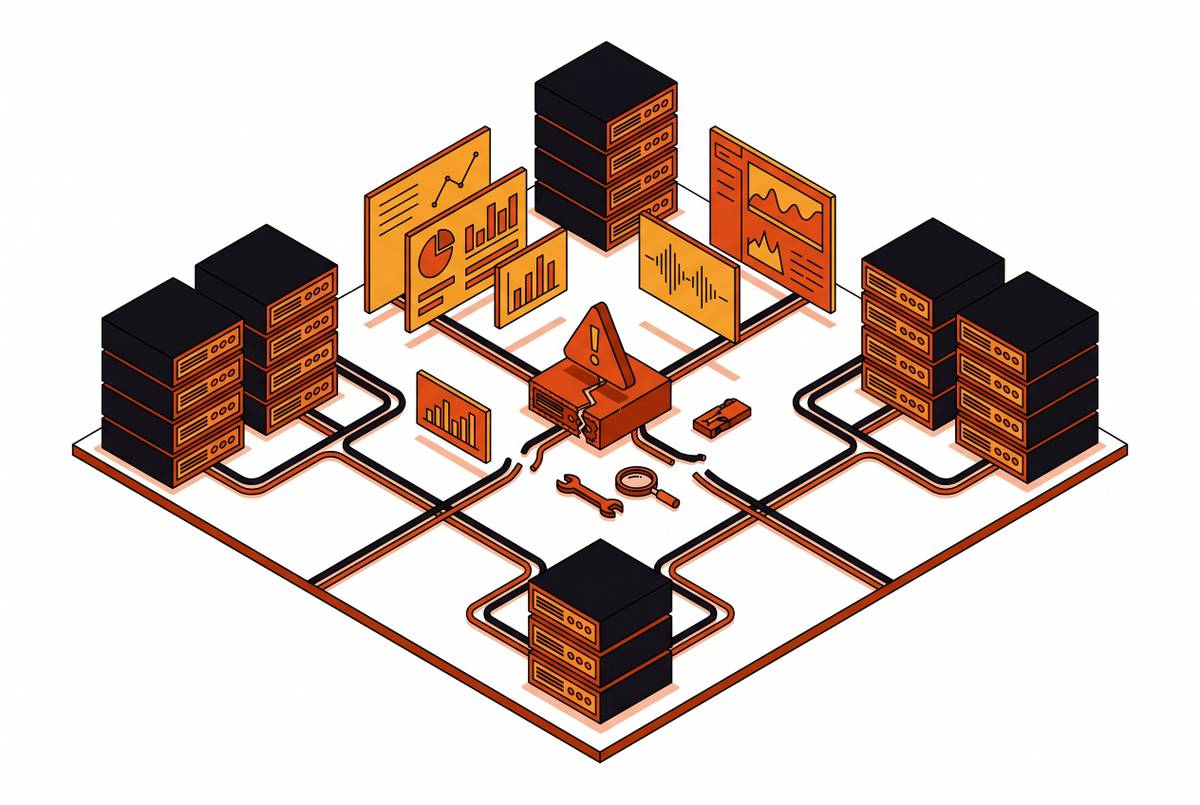
Drills test organizational coordination, not whether your monitoring actually works.
Rohan Delgado
Drills test organizational coordination, not whether your monitoring actually works.
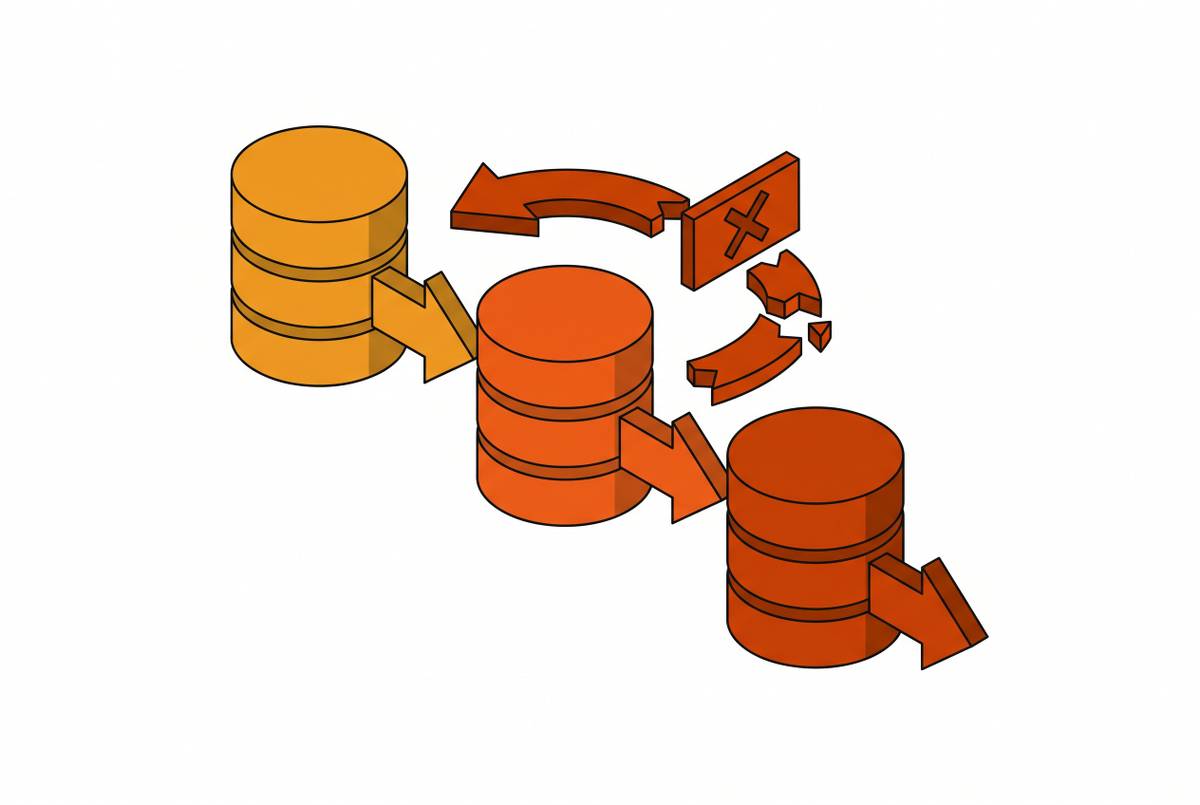
Some migrations destroy your ability to roll back the moment they execute.
Teams that pre-decide rollback versus patch strategies recover faster than those who don't.
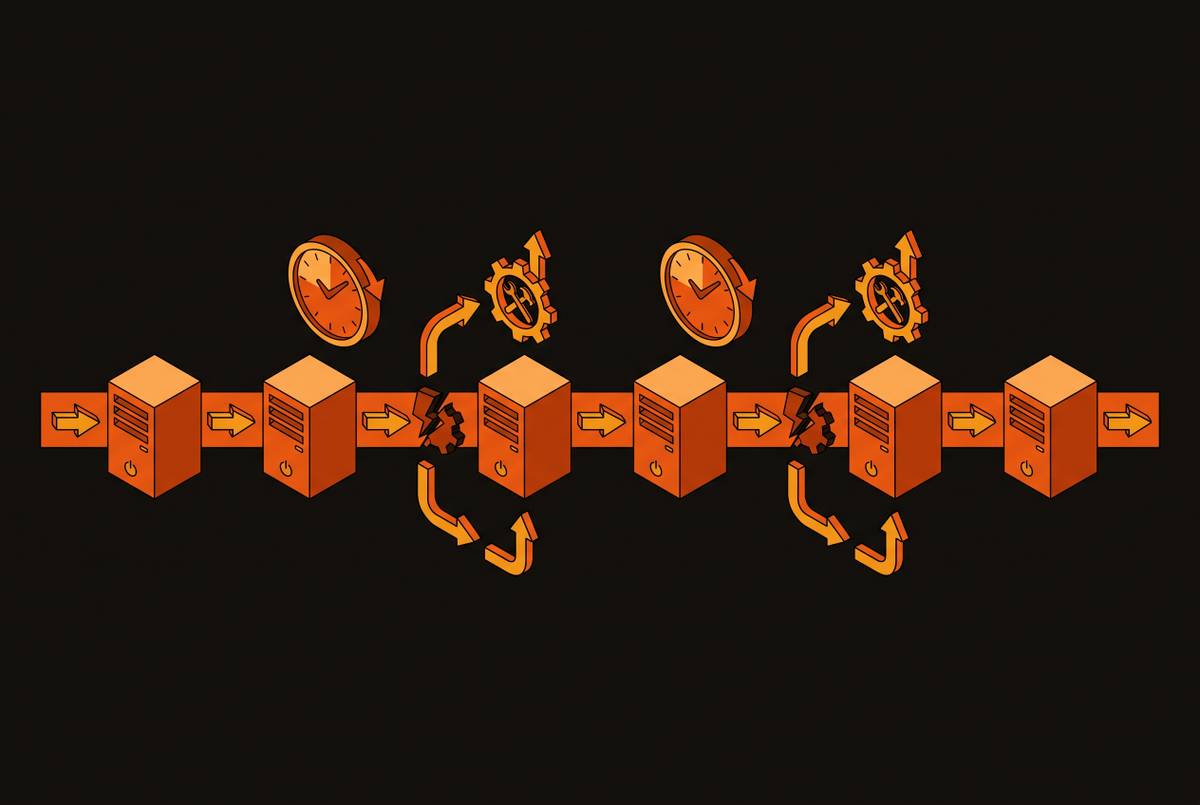
Knowing what MTBF leaves out matters more than the number itself.
Pre-deploy testing cannot catch production failures that only emerge under real traffic.
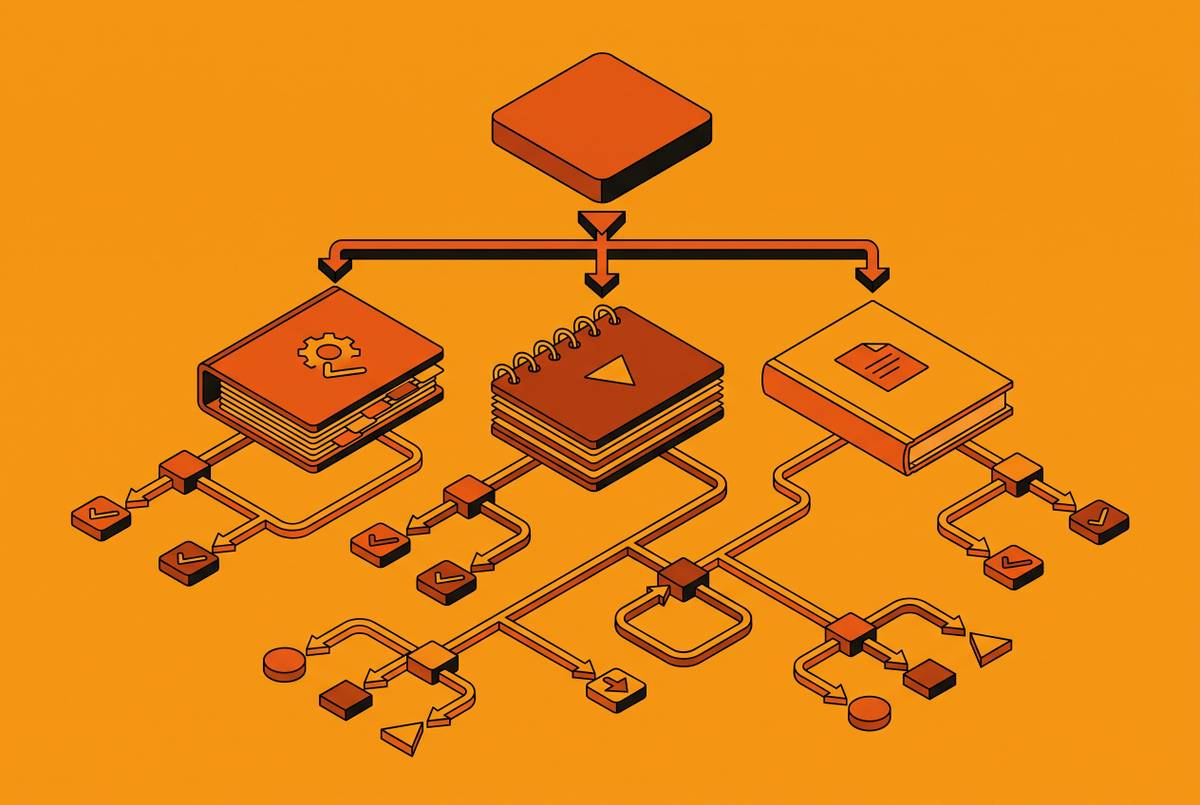
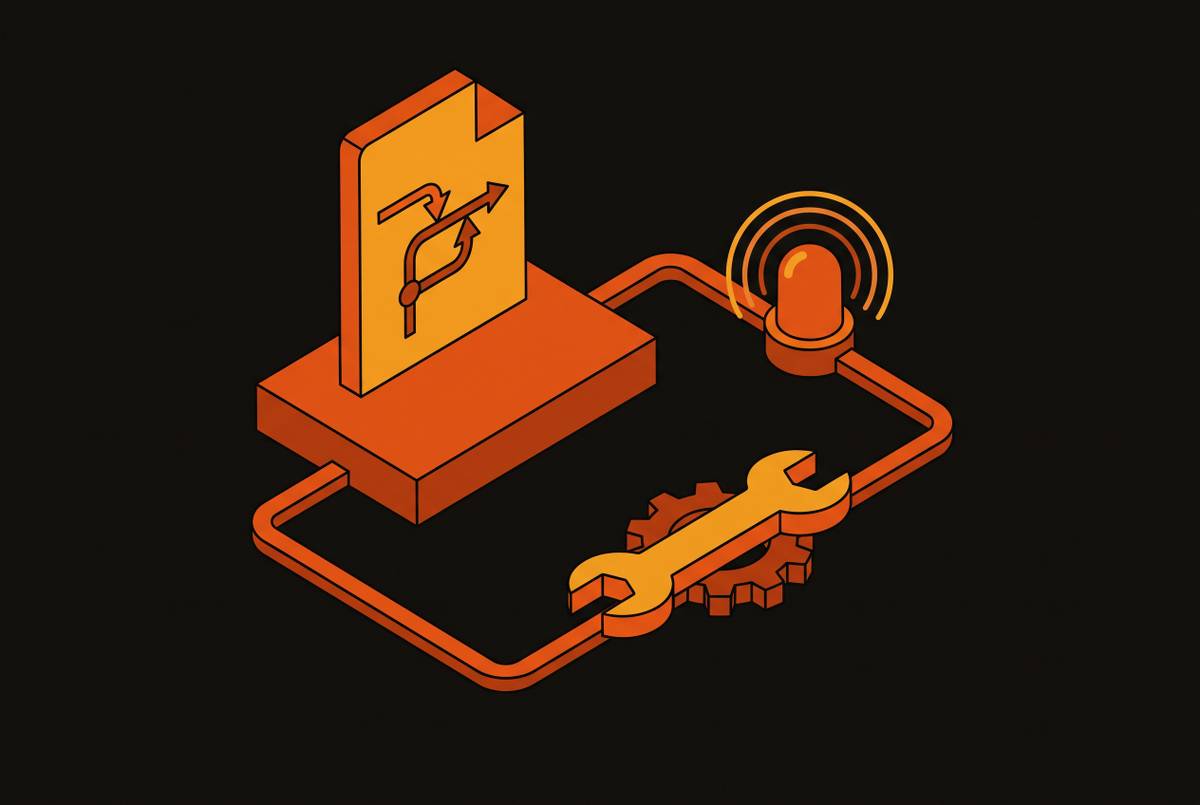
Decide between runbook, playbook, and SOP based on urgency, predictability, and who's reading.
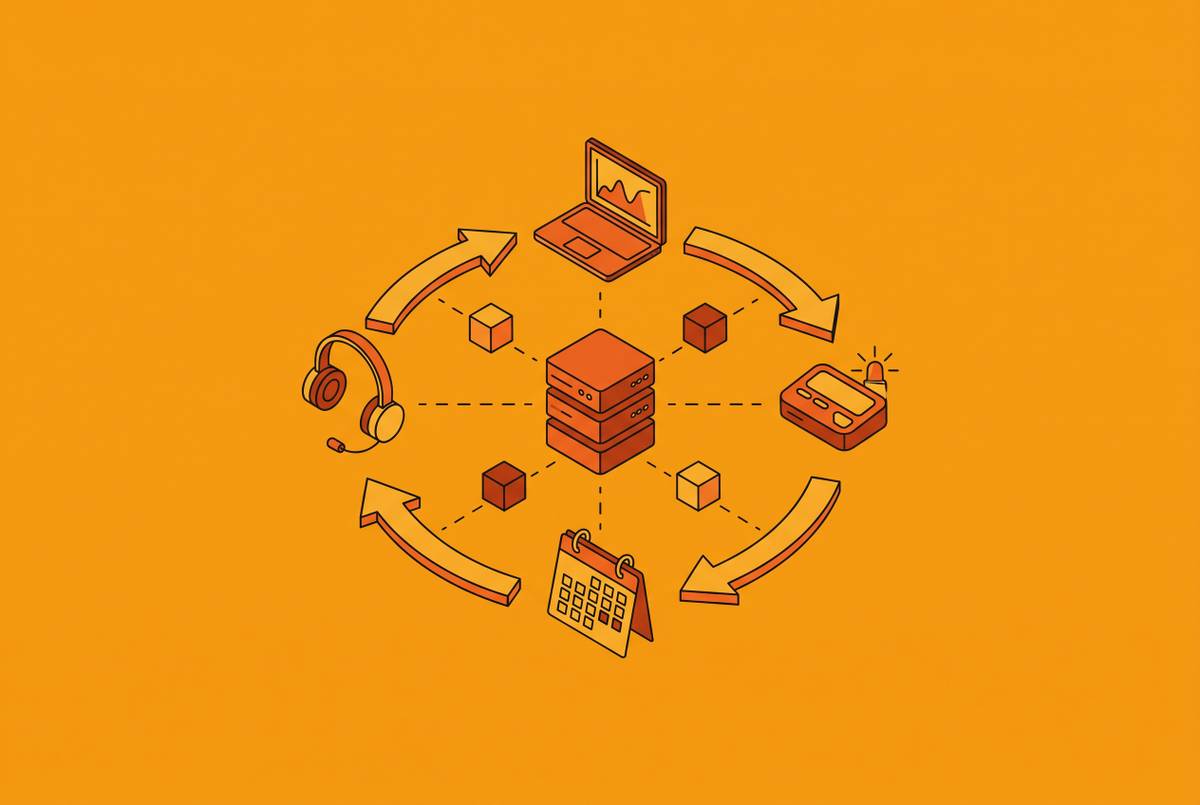
Fast-deploying teams need rotation redesign paired with alert signal cleanup.
Clear procedures prevent costly delays when alarms wake engineers at 3 a.m.
Structure and trigger determine whether your incident response doc saves time or wastes it.
The same old failure modes keep breaking production, now with AI stacked on top.
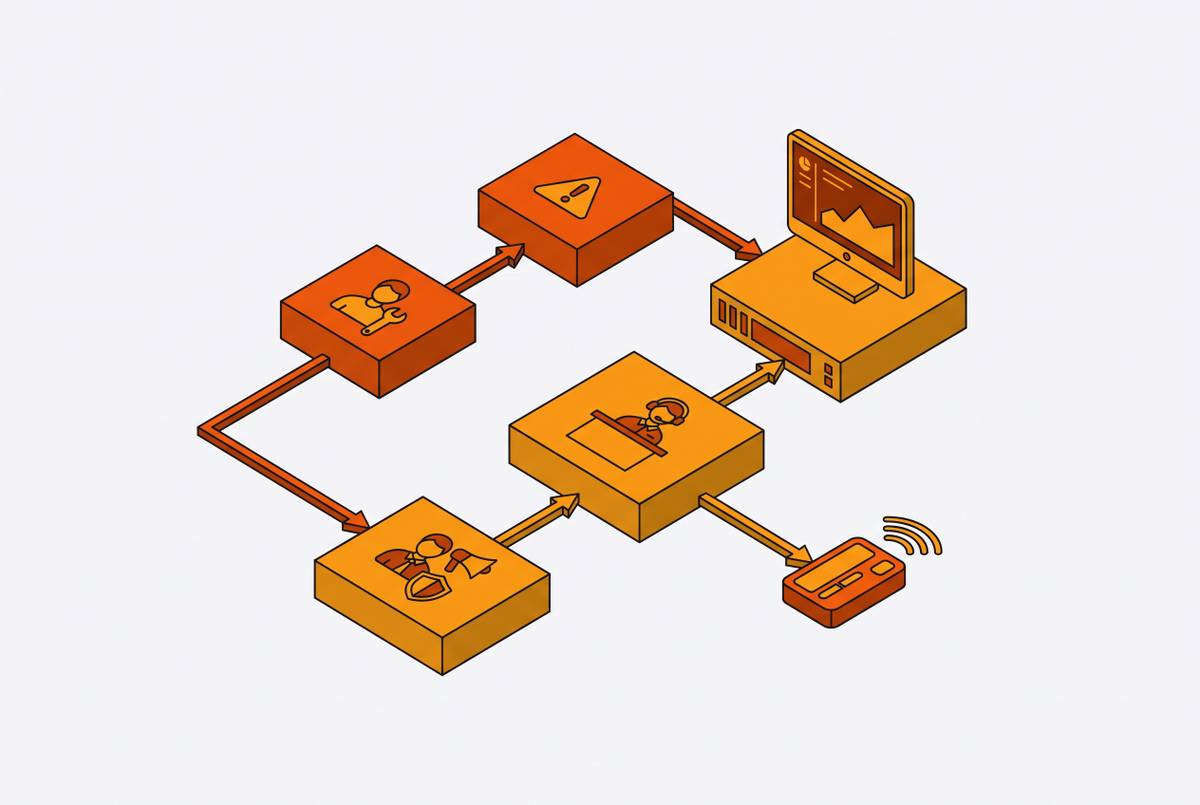
Clear roles before the alert fires prevent chaos when production breaks at 2 AM.
Treating merged PRs as fixed until production confirms the regression vanishes.