The On-Call Engineer's Checklist for Verifying AI-Generated Code After It Ships
AI-generated code fails in ways your monitoring wasn't built to catch.
Solveig Thrane
Contributing Editor
A former systems architect with roots in Scandinavian telecom infrastructure, Solveig has spent over two decades writing and consulting on observability, distributed tracing, and the operational patterns that separate resilient systems from fragile ones. Her columns blend technical rigor with a pragmatic view of what teams can realistically instrument and maintain.
13 stories
AI-generated code fails in ways your monitoring wasn't built to catch.
Teams that pre-decide rollback versus patch strategies recover faster than those who don't.
The same old failure modes keep breaking production, now with AI stacked on top.
Catch cascade failures by correlating signals across services, not monitoring each one alone.
Segment your MTTR by severity and deploy cadence to benchmark against what actually matters.
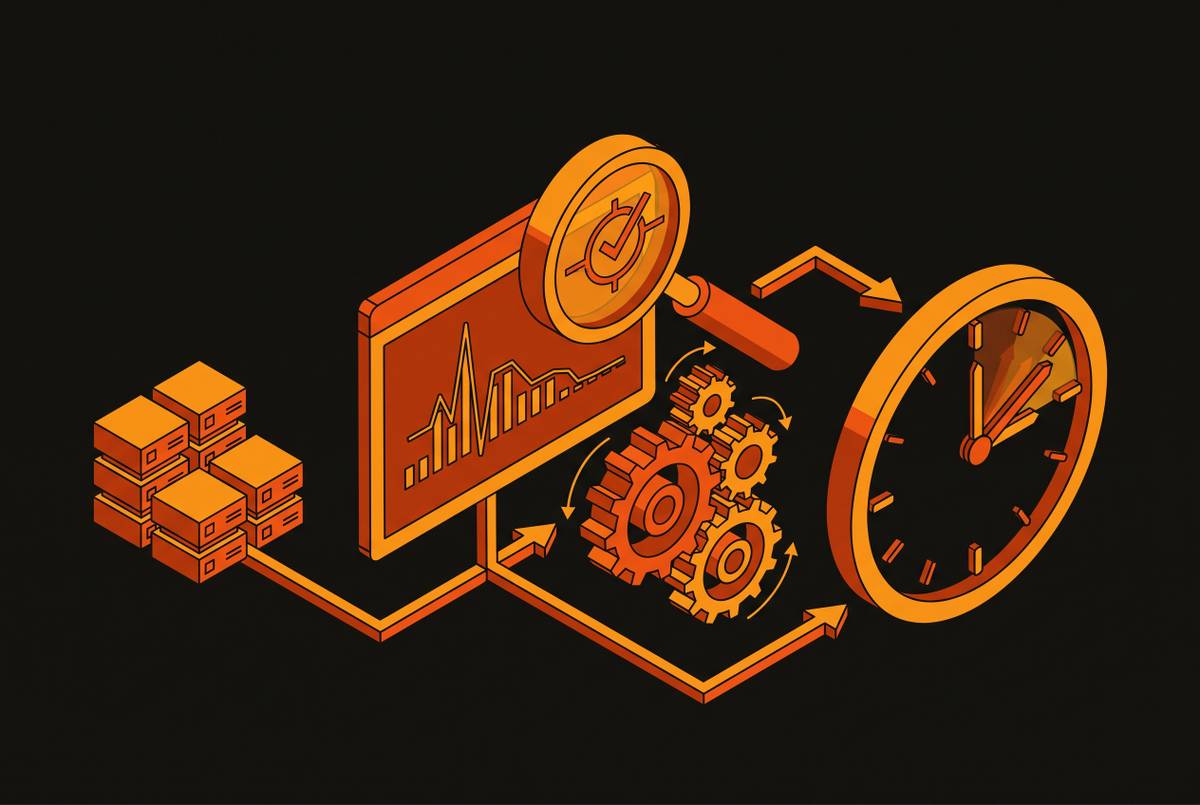
Automated diagnosis shrinks the diagnostic gap that slows incident resolution.
A green build proves nothing about how code behaves in production.
Burn rate alerts page you only when service reliability actually erodes, not when metrics twitch.
Pre-merge testing catches regressions, not production reality.
Catch broken deployments in production before real users do, not after.
Catch production failures that staging never surfaces by gating deploys on real-world verification.
Why every code change risks breaking something else, and how to catch it.
Distinguish three root causes of connection pool exhaustion to reach the right fix faster.