 Features
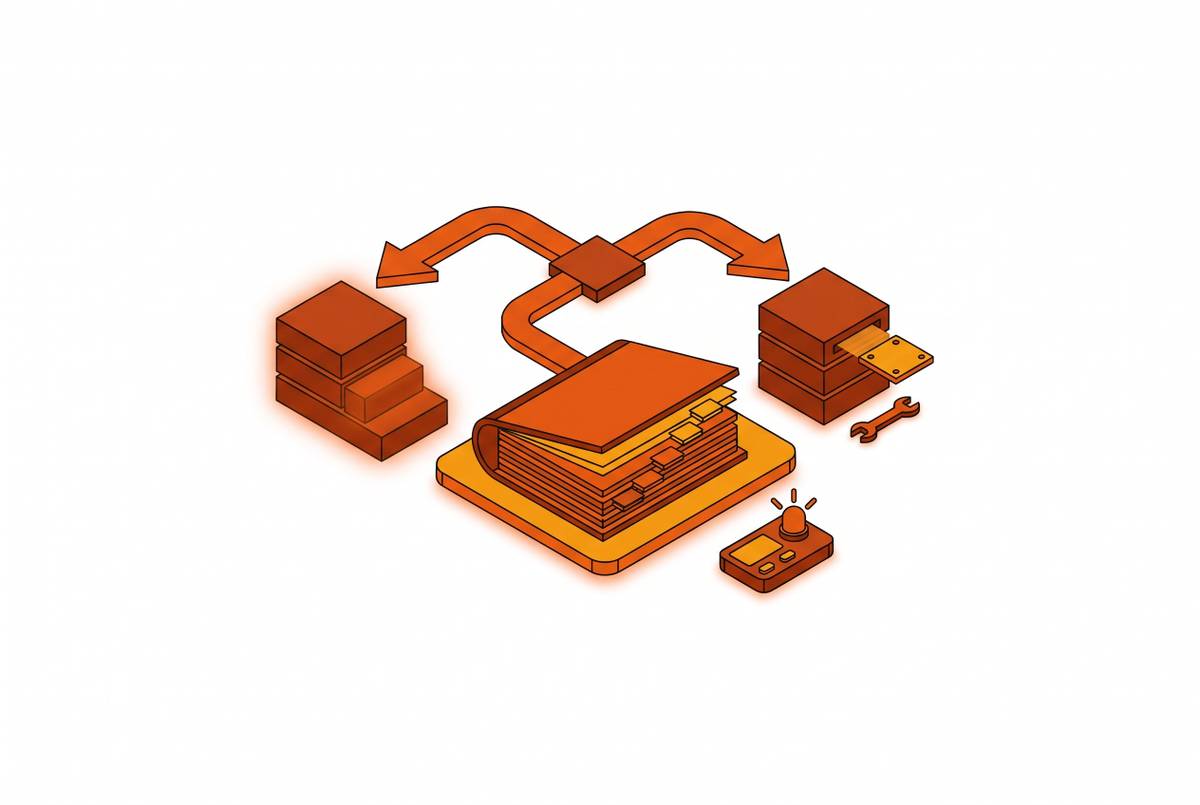
Incident Response Playbook Metrics That Show Whether Automation Cut Toil
Four stage-level clocks reveal whether automation cut real work.
Priya Subramaniam·
 Autonomous Incident Diagnosis and Fix PRs
Runbooks That Tell You When to Roll Back and When to Patch
Rollback restores service but can reopen a CVE, so name who decides.
Priya Subramaniam·
 On Call Toil and Alert Noise Reduction
The 3am Page You Should Have Caught at Merge Time
Review gates and business-signal monitoring catch bad GTM deploys early.
Priya Subramaniam·
 Automated Production Verification After Every PR
Autonomous AI Commit Verification Without a Nightly Slowdown for On-Call Teams
Tree-bound attestations let on-call teams see what shipped.
Priya Subramaniam·
 Automated Production Verification After Every PR
Wiring Agentic Coding Tools Into a Production Gate Before Anything Reaches Prod
Model quality is no longer the bottleneck; the pipeline's controls are.
Priya Subramaniam·
 On Call Toil and Alert Noise Reduction
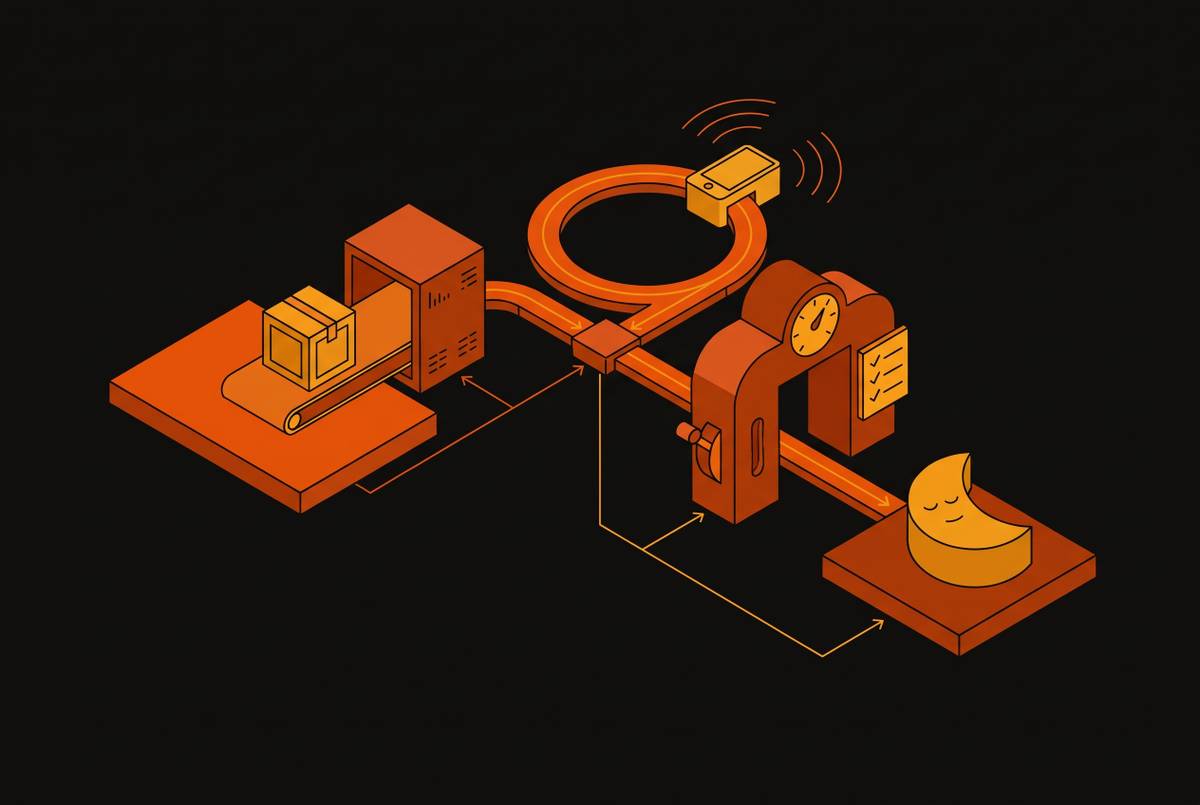
Why Release Night Pages Never Stop Until You Change What Happens Right After Deploy
Automated post-deploy checks catch regressions before they page on-call teams.
Priya Subramaniam·
 Automated Production Verification After Every PR
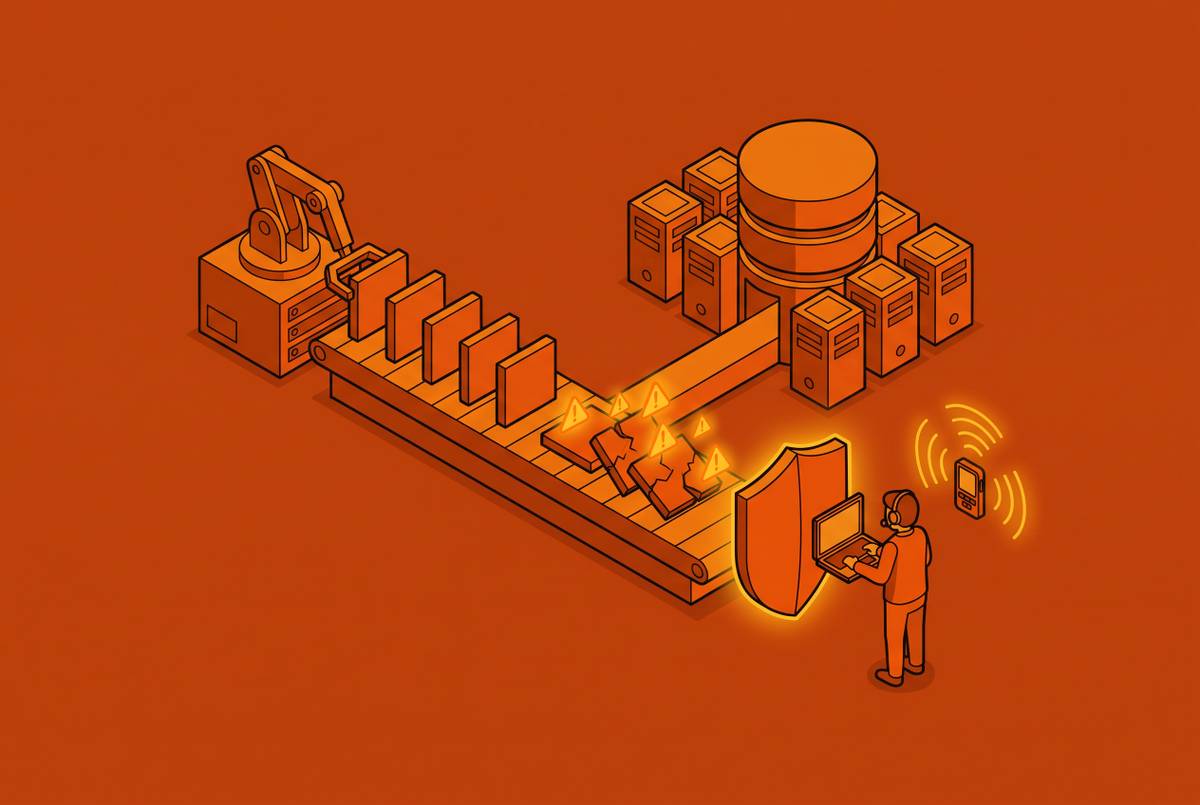
Why On-Call Engineers Are the Last Line of Defense Against Agentic Code Gone Wrong
When AI agents fail in production, on-call engineers inherit the cleanup work.
Priya Subramaniam·
 Automated Production Verification After Every PR
Keeping a PR Open Until Production Telemetry Clears the On-Call Queue
Linking code review to production health signals closes the gap between deployment and verification.
Priya Subramaniam·
 Automated Production Verification After Every PR
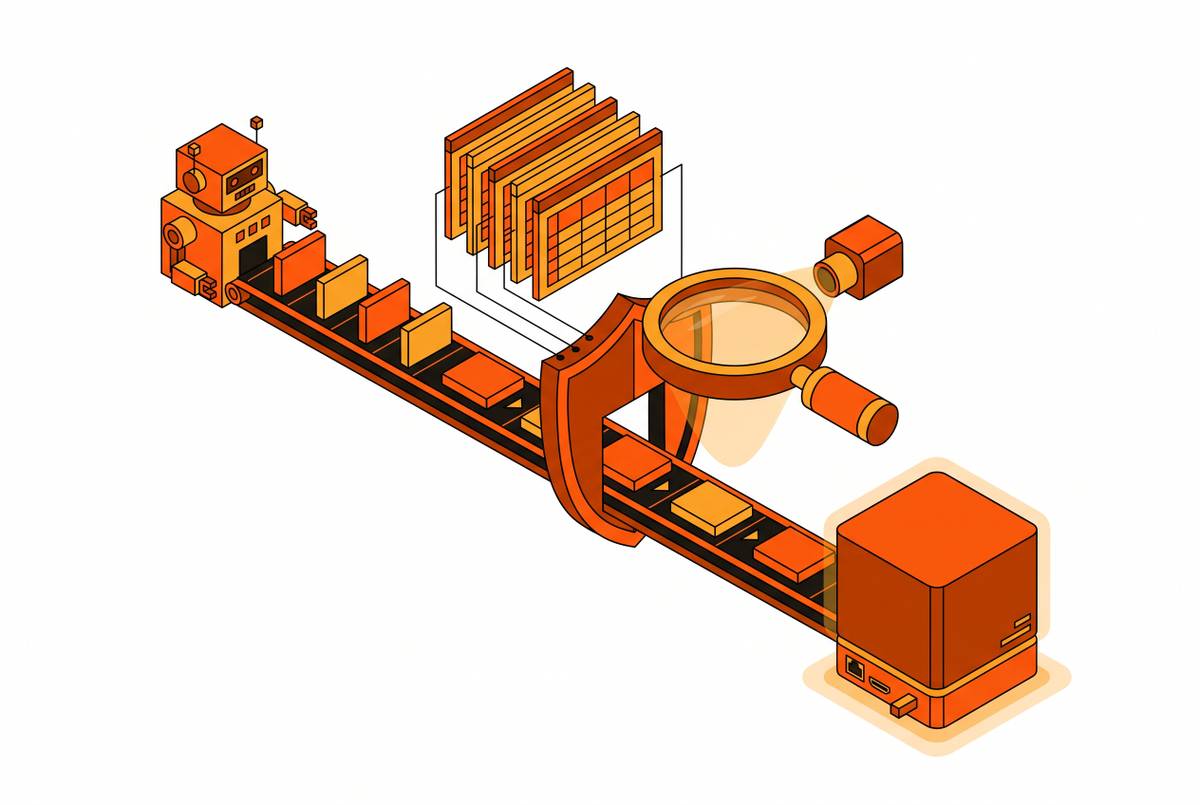
What On-Call Engineers Reach for When an AI Agent's Code Needs a Gate Before Go-Live
Post-deploy verification catches AI code failures that pass every pre-merge check.
Priya Subramaniam·
 On Call Toil and Alert Noise Reduction
Stop Getting Paged for Deployment Regressions by Automating Post-Deploy Verification
Automate checks after deployment lands to catch regressions before they page on-call.
Priya Subramaniam·
 On Call Toil and Alert Noise Reduction
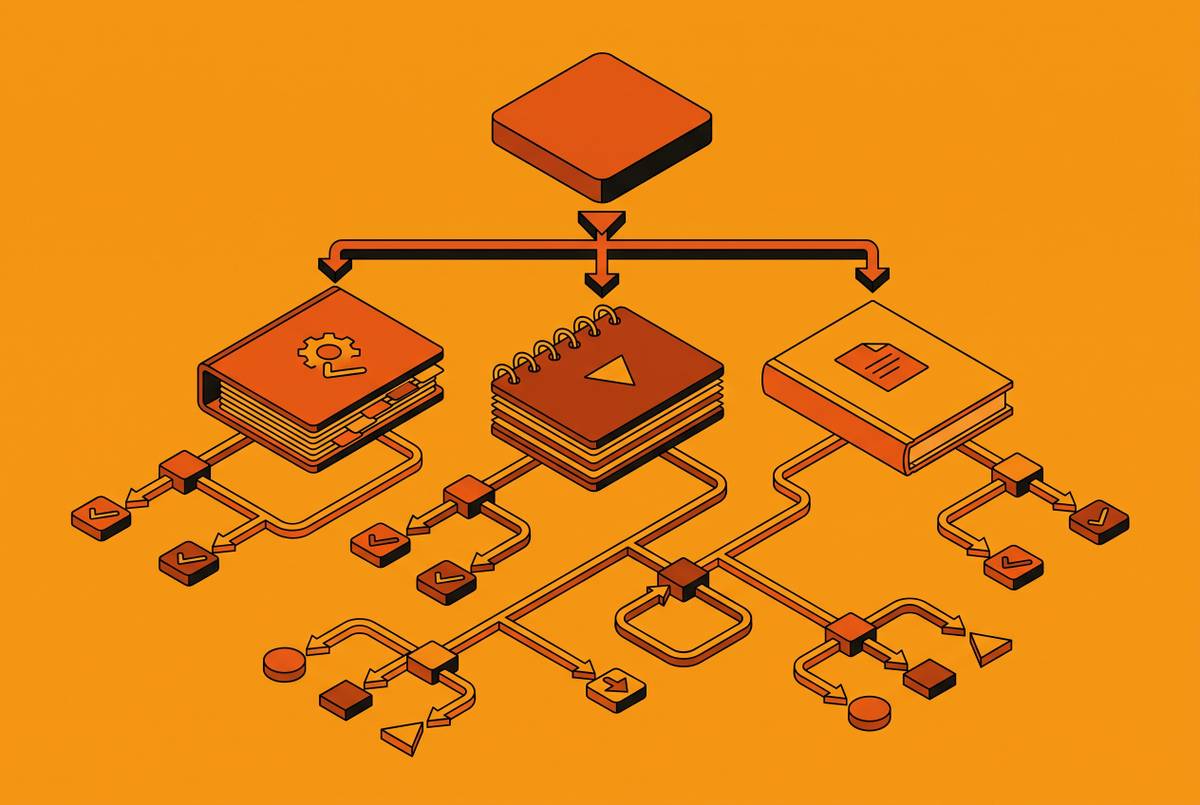
Runbook vs Playbook vs SOP Decision Framework
Decide between runbook, playbook, and SOP based on urgency, predictability, and who's reading.
Priya Subramaniam·
 On Call Toil and Alert Noise Reduction
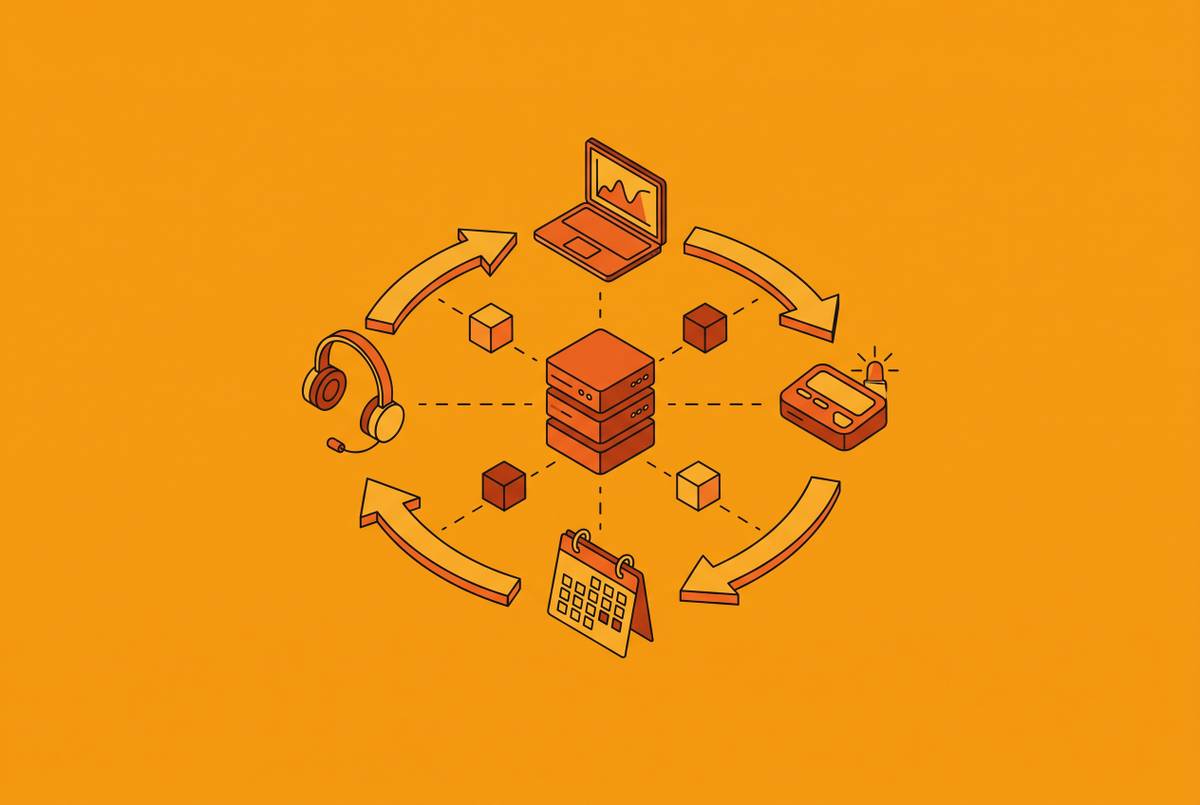
On-Call Rotation Design for High-Deployment-Frequency Teams
Traditional on-call rotations break under constant deployment pressure.
Priya Subramaniam·
 On Call Toil and Alert Noise Reduction
Runbook Template for Production Support Teams
Ensure on-call engineers act decisively by prescribing exact commands, not system descriptions.
Priya Subramaniam·
 On Call Toil and Alert Noise Reduction
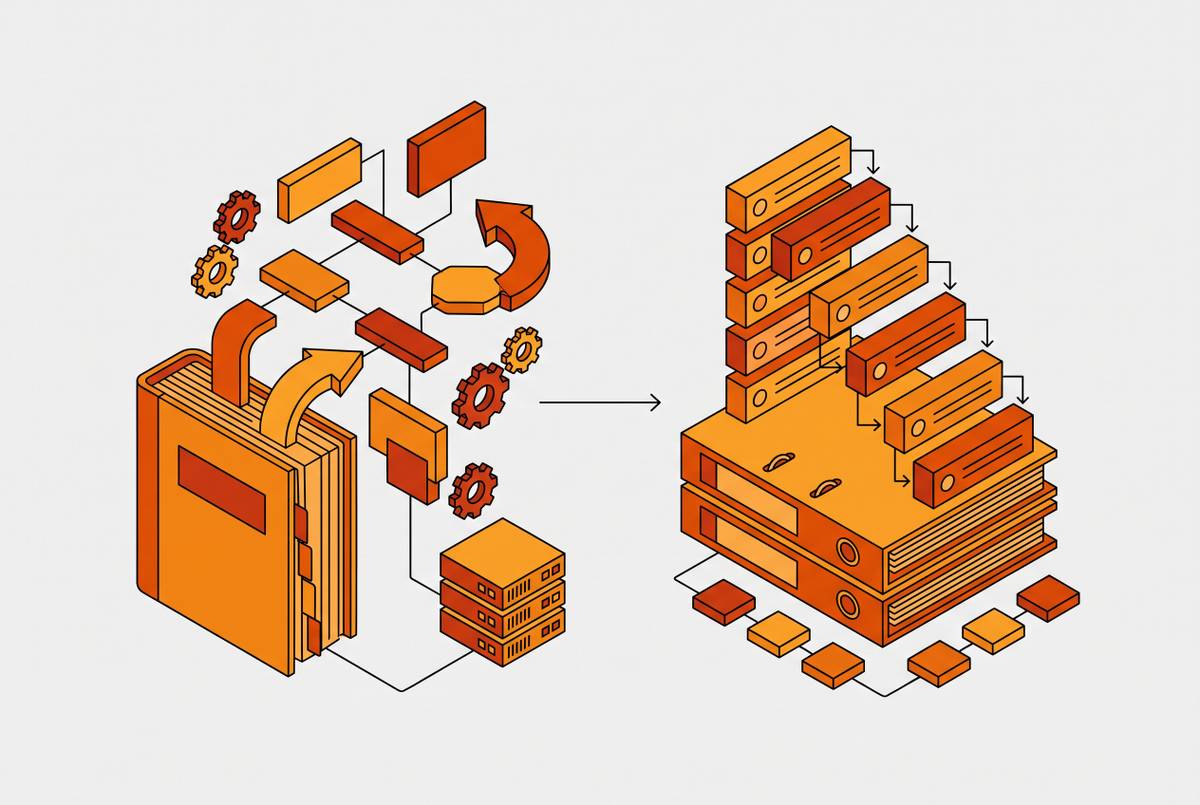
Runbook vs SOP for Engineering Teams
The difference between runbooks and SOPs determines response speed during incidents.
Priya Subramaniam·
 Autonomous Incident Diagnosis and Fix PRs
Fix PR Generation as an Incident Response Pattern
Human review of automated fixes remains essential before production deployment.
Priya Subramaniam·
 Automated Production Verification After Every PR
MTTR Mean Time to Resolution vs Mean Time to Detection
Detection and resolution measure different problems that need different fixes.
Priya Subramaniam·
 Autonomous Incident Diagnosis and Fix PRs
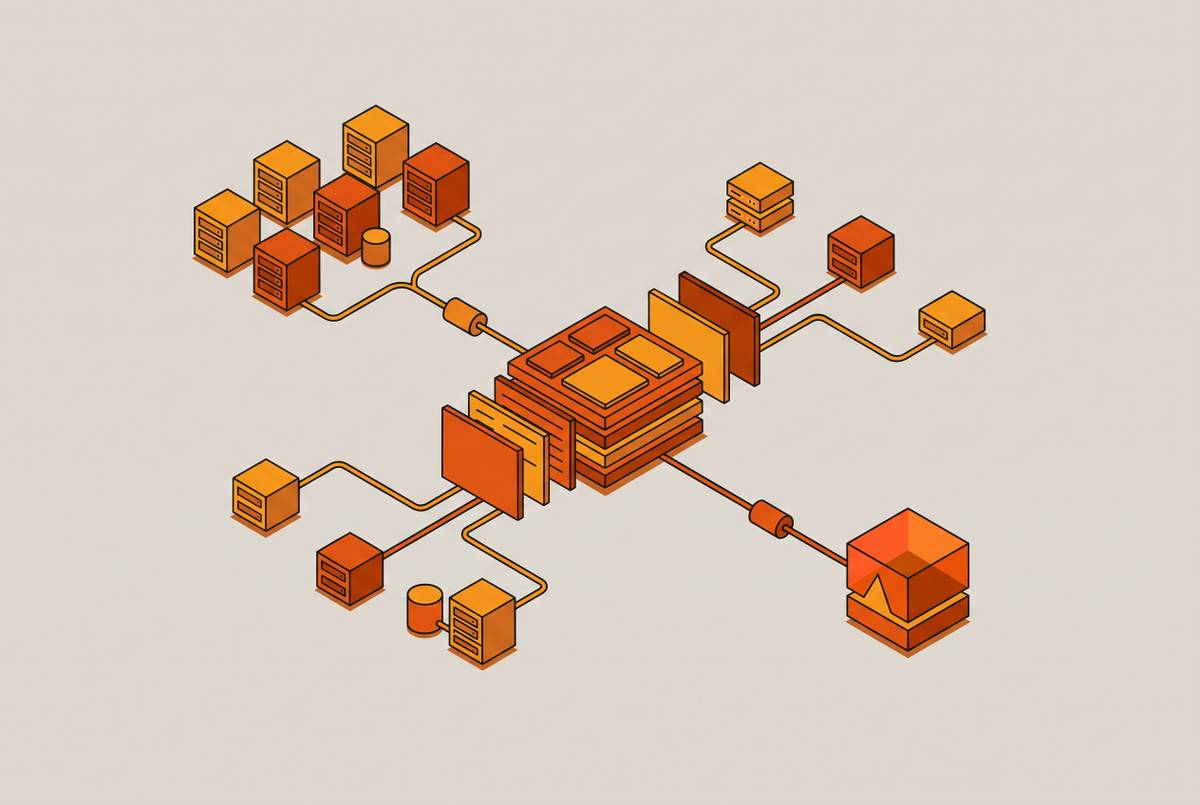
Runbook Automation for Post-Deploy Incident Response
Automated runbooks can execute fixes before humans even wake up to the alert.
Priya Subramaniam·